
"ethiopia coffee"
20000 article(s) found

Boutique coffee beans Ethiopia (Ethiopia)
The coffee tree originated in Ethiopia, which was originally a wild plant here, and the name coffee comes from the Ethiopian town of Kaffa. In fact, many coffee trees in Ethiopia are still wild plants, and the coffee grown on this coffee tree is full-grained and slightly alcoholic. Humans may have known how to grow coffee trees as early as the 9th century, but
Coffee beans from Ethiopia
Ethiopia (Ethiopia) is one of the major producers of Arabica coffee beans in Africa and produces the best Arabica mocha beans in the world. It is said that coffee beans were first discovered by shepherds in the Kafa region of Ethiopia, and the name of coffee evolved from Kafa, so Ethiopia is still the hometown of coffee. Production and processing of coffee beans Ethiopia

Boutique Coffee beans knowledge Coffee producing area Ethiopia (Ethiopia)
The birthplace of coffee-Ethiopia. The coffee tree originated in Ethiopia, which was originally a wild plant here, and the name coffee comes from the Ethiopian town of Kaffa. In fact, many coffee trees in Ethiopia are still wild plants, and the coffee grown on this coffee tree is full-grained and slightly alcoholic. Humans may have lived as early as the 9th century

The birthplace of coffee--Ethiopia's representative work Yega Sherphine Introduction
In 1959, the Yega sherry producing area began to try washing treatment method. After 1970, the jasmine flower fragrance and lemon citrus flavor of Yega were popular in Europe and America, becoming a model of African fine beans. The sun treatment method and sherry gradually drifted away. However, there will always be people who will miss the wonderful wine under the sun method, the feeling of no trace of wind passing through, the improved sun big counterattack in 2006, the second gold medal held in Ethiopia
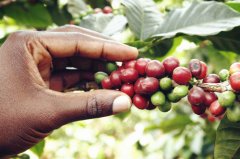
Ethiopian Coffee exports Fine Coffee
Coffee export coffee is Ethiopia's most important export cash crop and the main source of Ethiopia's foreign exchange earnings. Ethiopia's coffee exports account for about 3% of the world market, making it the eighth largest coffee exporter in the world. Coffee exports increased steadily from 58000 tons in 1990 to 110000 tons in 1995-1996 and remained at this level in the following years. two

The birthplace of coffee-Ethiopia
In the world of coffee, there are countless stories and reports about Ethiopia: the birthplace of coffee, the story of shepherds, black gold, and so on.

A brief introduction to the Market Price of Ethiopian Fine Coffee Bean varieties with small fragrant beans
Yega Xuefei is a small town, 700-2100 meters above sea level, synonymous with Ethiopian boutique coffee. It has been a wetland since ancient times. The ancient saying "Yirga" means to settle down and "Cheffe" means a wetland. The mode of production and flavor of coffee here are so outstanding that Ethiopian coffee farmers compete to take pride in the flavor of their coffee, making it the worst in Africa.

Reveal the whole process of the birth of Ethiopia's top coffee
Coffee forests in Ethiopia's Balle National Park in eastern Africa are as high as 2000 meters above sea level. The coffee rich here was named one of the five best coffees in Africa in 2012. Coffee grows naturally here and is still picked and collected by a small group of about 5000 local people. Decades ago, the first road was built here to bring the coffee forest, which had been isolated, closer.

An introduction to the fresh and bright taste of Ethiopia's Yegashifi Adoudo Coffee Manor.
Portugal and the Ottoman Empire invaded one after another in the 16th century. British troops invaded Ethiopia in 1867 and Sudanese Mahdi troops invaded in 1887. In 1889, Mennelik II became emperor, unified the country, established the capital Addis Ababa, and established the territory of modern Ethiopia. In 1890, Italy invaded, squeezed out British power and declared Ethiopia a sanctuary. 1896
Fine Coffee Recommended Yejia Sherry Mocha
Ethiopia Yirgacheffe is the home of coffee, and Ethiopia's millennia of cultivation and processing tradition have produced high-quality washed Arabica beans. Ethiopia Yirgacheffe Ethiopia Yirgacheffe Ethiopia Ethiopia Yirgacheffe Ethiopia

Flavor description of Ethiopian Guji Coffee beans introduction to the production area of Grinding scale Manor
Ethiopian Guji coffee bean flavor description grinding scale manor production area coffee is Ethiopia's most important export cash crop and the main source of Ethiopia's foreign exchange earnings. Ethiopia's coffee exports account for about 3% of the world market, making it the eighth largest coffee exporter in the world. Coffee exports increased steadily from 58000 tons in 1990 to 1995-1996.

Details of coffee beans introduce Ethiopia Yejia Shefimoka (Ethiopia Yirgacheff)
As the hometown of coffee, thousands of years of planting history and processing tradition in Ethiopia have created high-quality washed Arabica beans. Ethiopia's Yirgacheffe coffee is one of the most unique coffee beans in the world today: it has a strong aroma of flowers, lemon, strong acidity but soft and smooth taste.

Ethiopia Sidamohir Amelie processing Plant Ethiopia Sidamo Chire Ameli
For the exchange of professional baristas, please follow the coffee workshop (official Wechat account cafe_style). The Guji producing area of Sidamo, a favorite coffee of the 2014 World Cup brewing contest, along the Mora Mora River River in southern Ethiopia, has always been considered to be the original producing area of forest coffee (forest coffee).

Ethiopia Xiachisuo coffee flavor description processing method grinding scale varieties taste introduction
Ethiopia Xiachisuo producing area coffee flavor description processing method grinding scale variety taste introduction 1, Limu coffee grows between 1400 meters and 2000 meters above sea level. washed coffee. Excellent quality, with intense nutty aromas, moderate acidity and wine intensity. Annual production of 29,000 tons. Gima coffee grows between 1400 and 1800 meters above sea level. Sunburn coffee.
Ethiopia Gemma jimma (djimmah Gima)
Ethiopia (Ethiopia) famous coffee:: Yirgacheffe (Yirgacheffe), Harald (Harrar), Sidamo sidamo; and Djimmah (Djimmah) are also good, taste balanced, is an affordable African mocha beans. Forest coffee, which grows in the natural environment and shaded by natural forest trees, has sufficient plant change mechanism to resist diseases and insect pests.

Introduction to the characteristics of the flavor description method of Ethiopian Sidamomo Lion King Coffee
Coffee is Ethiopia's most important export cash crop and the main source of Ethiopia's foreign exchange earnings. Ethiopia's coffee exports account for about 3% of the world market, making it the eighth largest coffee exporter in the world. Coffee exports increased steadily from 58000 tons in 1990 to 110000 tons in 1995-96, and remained at this level in the following years.

Introduction to the grinding scale of Ethiopia Esopia Lion King coffee bean flavor description method
Ethiopia Esopia Lion King Coffee Bean Flavor description method Grinding scale introduces washed coffee accounts for 35% of exports. Good quality washed coffee is processed with freshly picked fully ripe fruit, picked carefully and closely monitored by professionals. The picked clean coffee beans are pulped on the day of picking, then fermented, washed, dried and peeled. After processing

Ethiopian Coffee Flavor and taste introduction to the characteristics of Fine Coffee producing areas in Ethiopia Manor
In July 1991, EGF hosted a national conference with the participation of more than 20 political and ethnic organizations. The meeting adopted the Transitional Charter and elected an 87-member House of Representatives, with EGF Chairman Meles Zenawi as President of the Transitional Government and President of the House of Representatives. A transitional government was established. On May 24, 1993, Eritrea (formerly the province of Eritrea, Ethiopia) adopted
Coffee producing area African boutique coffee Ethiopia
Ethiopia Coffee in Africa the full name of Ethiopia Federal Democratic Republic (formerly known as Abyssinia) is a country located in northeast Africa. English name: The Federal Democratic Republic of Ethiopia, Ethiopia is the country of origin and hometown of coffee. The most famous coffee beans in Ethiopia are Yega Xuefei.

Flavor, characteristics, taste and manor introduction of naturally fermented Ethiopian coffee
Ethiopia has unique natural conditions suitable for growing all imaginable varieties of coffee. As a upland crop, Ethiopian coffee beans are mainly grown in areas between 1100 and 2300 meters above sea level, roughly distributed in southern Ethiopia. Deep soil, well drained soil, weakly acidic soil, laterite and soil are soft and contain